Weight
Loss

If you've struggled with weight loss despite your best efforts—trying countless diets, workout plans, or wellness trends—you're far from alone. Millions of adults across the U.S. face the same uphill battle. For many, the issue isn’t a lack of motivation or discipline, but biology. Metabolism, hormone imbalances, insulin resistance, and genetic predispositions often play a major role in why traditional weight loss methods fall short.
That’s where prescription weight loss injections come in. These clinically proven medications, like semaglutide and tirzepatide, work with your body’s natural signals to reduce appetite, regulate blood sugar, and support sustainable fat loss. Backed by FDA approvals and real-world success stories, they’re quickly becoming a trusted solution for people who are ready to take their health into their own hands—with the help of modern medicine.
And the best part? You no longer need to visit a doctor’s office or pharmacy in person. Thanks to the rise of telehealth platforms, getting started with prescription weight loss injections is now fast, discreet, and fully remote. From digital consultations to home delivery and medical follow-ups, the entire process happens from the comfort of your home.
In this guide, we’ll walk you through the top U.S.-based weight loss injection distributors for 2026, highlight what makes each one unique, and explain exactly how to start your journey safely—without the hassle or confusion.
In recent years, these new treatment options have made significant headlines—and for good reason. But like any medical intervention, weight loss injections aren’t a one-size-fits-all solution. They offer incredible benefits for the right candidates, but also come with important considerations that you should weigh before getting started.
Let’s take a closer look at the pros and cons of prescription weight loss injections so you can make a fully informed decision on whether this path is right for you.
Medications like semaglutide (Ozempic®, Wegovy®) and tirzepatide (Mounjaro®) have gone through rigorous clinical trials and earned FDA approval for weight management. These aren’t fad supplements or unregulated shots—they’re medically sound treatments with decades of research behind their active ingredients. In some studies, patients lost up to 15–22% of their body weight, especially when combined with lifestyle changes.
✔ 100% Remote AccessWith today’s telehealth platforms, you can complete your entire weight loss journey—from evaluation and prescription to monthly refills—completely online. No waiting rooms, no pharmacy lines, no commuting. It’s modern medicine tailored to your schedule and your comfort.
✔ Reduced Appetite & CravingsOne of the main ways GLP-1 medications work is by regulating your hunger and satiety signals. This means you’ll feel full sooner and for longer, making it much easier to reduce calorie intake without constant cravings or the emotional rollercoaster of restrictive dieting.
✔ No Surgery or Crash DietsThese injections offer a non-invasive alternative to bariatric surgery, and they don’t require unsustainable, extreme diets. You can continue eating real, balanced meals—just in smaller, more manageable portions.
✔ Ongoing Medical SupportMost reputable providers offer continuous care, including regular check-ins, dose adjustments, and guidance via secure telehealth portals. This ensures that you’re never left guessing about your progress or safety. You’re supported every step of the way.
While many patients tolerate GLP-1 medications well, side effects are possible, especially when starting out. These may include:
• Nausea or vomiting• Constipation or diarrhea
• Fatigue or headaches
• Bloating or indigestion
Most symptoms are temporary and can be minimized with proper dosage titration, but it’s still important to be aware and prepared.
✘ Can Be Expensive Without InsuranceMonthly costs for weight loss injections vary by provider and medication type, but out-of-pocket prices typically range from $250 to over $1,000. Some platforms offer payment plans or FSA/HSA acceptance, but not all insurance providers cover these treatments.
✘ Gradual, Not InstantIf you stop taking the medication without making consistent lifestyle changes (like improved diet and activity), weight regain is possible. The best outcomes happen when medication is combined with behavioral shifts, not relied upon as a standalone fix.
Bottom line? Prescription weight loss injections are a powerful tool for those struggling with stubborn weight, especially when traditional methods haven’t worked. But like any tool, they work best when used wisely—and with full understanding of both the rewards and responsibilities involved.
So now that you know how prescription weight loss injections work, the benefits they offer, and what to watch out for, check out our mini-reviews of this year’s best providers below.
 Visit Website
 Remedy Meds offers a streamlined, telehealth-based approach to weight loss by providing access to FDA-approved GLP-1 medications like semaglutide and tirzepatide. The process begins with a brief online health assessment, followed by a virtual consultation with a licensed U.S. healthcare provider. Upon approval, prescriptions are promptly shipped directly to your doorstep. The program includes unlimited virtual consultations, ensuring continuous medical support throughout your weight loss journey. Notably, Remedy Meds offers a money-back guarantee if you do not lose at least 10% of your body weight within four months, highlighting their commitment to patient success.
Patients have reported significant weight loss, averaging over 14 pounds in the first 90 days, attributing their success to the program's structured support and effective medications. The platform's user-friendly interface and responsive customer service have been praised for enhancing the overall experience.
Visit Remedymeds – Start FDA-Approved Weight Loss
 9.9/10Best OverallVisit Website
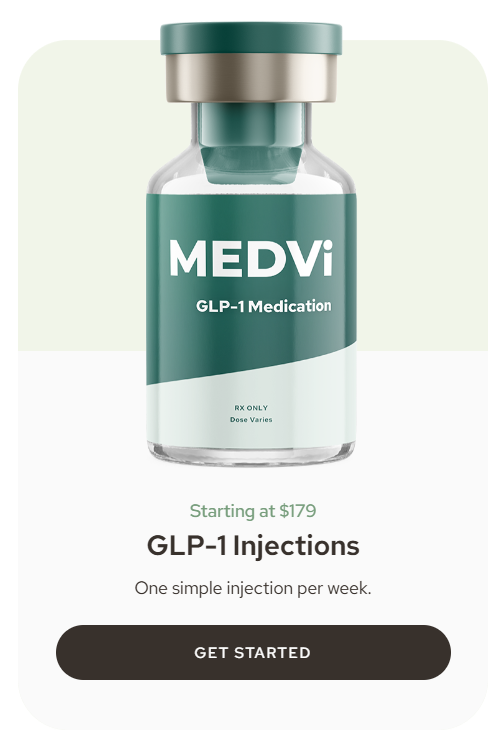
 If you're looking for a convenient, medically backed way to lose weight, MEDVi offers a telehealth-based program designed just for you. After completing a quick online assessment, a licensed provider reviews your medical history and recommends a personalized plan using GLP-1 medications like semaglutide or tirzepatide. Whether you prefer injections or oral tablets, MEDVi delivers the medication directly to your door and includes continuous support through 24/7 messaging and monthly check-ins—no in-person visits required.
Many users say they love how straightforward and flexible the process is. You can manage everything from home while still getting professional oversight and guidance. Reviewers have reported steady weight loss, reduced cravings, and increased energy. One thing to note, though: MEDVi doesn’t accept insurance, so costs—while transparent—are out of pocket. Still, many find the investment worthwhile for the access, safety, and results.
Visit MEDVi – Start FDA-Approved Weight Loss
 Visit Website
 FuturHealth is a telehealth platform that provides access to FDA-approved GLP-1 medications, such as semaglutide and tirzepatide, designed to assist with weight loss. The program begins with an online health assessment, followed by a virtual consultation with a licensed healthcare provider who tailors a treatment plan to your specific needs. Medications can be delivered to your home or picked up at a local pharmacy. In addition to medication, FuturHealth offers personalized nutrition plans and access to dietitian-designed meal plans through a user-friendly mobile app.
Users have reported significant weight loss, with some experiencing up to a 1.5% reduction in body fat per week. The combination of medication, personalized diet, and continuous support has been praised for its effectiveness and convenience. However, it's important to note that the program requires a monthly membership fee starting at $99, in addition to the cost of medications, which can range from $229 to $1,000 per month depending on the prescription and insurance coverage . While many find the investment worthwhile, the cost may be a consideration for some.
Visit Futurhealth – Start FDA-Approved Weight Loss
✍️ Pro tip from our team: Avoid platforms that skip medical assessments or fail to disclose their prescriber network.
✍️ Note: While most insurance doesn’t cover weight loss injections yet, some providers accept FSA/HSA funds or offer payment plans to make treatment more affordable.
✍️ Many of our top picks, like Remedy Meds, offer unlimited messaging and monthly check-ins at no extra cost.
✍️ For example, Hers stands out by offering both GLP-1 injections and oral kits formulated for women’s specific health needs.
By using these criteria, we were able to confidently rank the best weight loss injection distributors in the U.S. for 2025. Whether you’re looking for speed, support, affordability, or all of the above—you’ll find a trusted option in our top three picks.
✍️ Now that you know what to look for in a trusted weight loss injection distributor, let’s tackle some of the most common questions we hear from readers just like you. Whether you're wondering how the process works, what medications are involved, or if you're even eligible, our FAQ section has you covered.
The main difference between weight loss injections and diet pills lies in their effectiveness, mechanisms, and regulation. Weight loss injections—such as semaglutide—are prescription medications that target multiple pathways like appetite control, insulin sensitivity, and digestion, often leading to significant and sustained weight loss of 10–15% or more when combined with healthy habits. Diet pills, on the other hand, vary widely in type and potency; they may act as appetite suppressants, fat blockers, or metabolism boosters, and typically result in more modest weight loss of 5–10%. Injections are generally better studied and more tightly regulated, while many over-the-counter diet pills lack strong clinical evidence and carry more safety risks.
Weight loss medications, particularly injectable GLP-1 agonists, have been shown in clinical trials to help individuals lose anywhere from 10% to 20% of their body weight when combined with healthy lifestyle changes. Their effectiveness can vary depending on the medication, dosage, adherence to treatment, and the individual's metabolic response, but they are considered one of the most effective medical tools for long-term weight loss currently available.
When prescribed and monitored by a licensed healthcare provider, weight loss injections are generally safe and well-tolerated. Like all medications, they can cause side effects such as nausea, constipation, or fatigue, especially during the first few weeks. Serious adverse effects are rare but possible, so regular monitoring and clear communication with your provider are key to staying safe during treatment.
Yes, weight loss injections are prescription medications and cannot be legally obtained without approval from a licensed medical provider. These prescriptions are typically issued after a health assessment confirms that the individual meets the medical criteria for treatment, which usually includes having a certain body mass index (BMI) or related health conditions.
Most prescription weight loss injections are approved for use in adults aged 18 and older. In rare cases, certain medications may be approved for adolescents under strict medical supervision, but this is determined on a case-by-case basis. Online providers usually require proof of age and identity before issuing a prescription.
There is no one-size-fits-all duration. Some individuals may take weight loss medications for several months to jumpstart their progress, while others may remain on treatment longer for ongoing support. Decisions about how long to continue are typically based on results, tolerability, and your provider’s clinical judgment.
Buying weight loss injections online is safe and effective when done through a legitimate telehealth platform that includes licensed medical oversight, proper health screenings, and FDA-approved medications. Avoid websites that offer injections without prescriptions or hide behind unclear policies, as these may pose serious health risks.
Out-of-pocket costs can vary widely depending on the provider, medication type, and location. Monthly expenses typically range from $250 to $1,000 or more. Some services include medication, consultations, and support in bundled pricing, while others may charge separately for each component.
Coverage depends on your specific insurance plan. While some insurers are beginning to cover certain FDA-approved weight loss medications, others may consider them elective or cosmetic. Many telehealth providers operate on a cash-pay model, but you may be able to use FSA or HSA funds toward treatment costs.
 4.3 out of 5